Selecting the right life support certification in Kern County often comes down to your specific clinical role, scope of practice, and employer requirements. Healthcare professionals at local facilities like Kern Medical or Mercy Hospital Downtown must ensure they register for the exact course level required by their licensing board or department manager. Registering for a basic CPR course when your facility demands advanced life support can delay your onboarding or credential renewal.
This decision guide clarifies the distinctions between Basic Life Support (BLS), Advanced Cardiovascular Life Support (ACLS), and Pediatric Advanced Life Support (PALS). By evaluating key differences in target audiences, clinical skills, and local training options in Bakersfield, CA, you can confidently enroll in the correct certification class.
Key Takeaway: Basic Life Support (BLS) focuses on core CPR, AED usage, and airway clearance for adult, child, and infant patients across all healthcare disciplines. Advanced Cardiovascular Life Support (ACLS) and Pediatric Advanced Life Support (PALS) build upon those foundational skills, incorporating electrocardiogram (ECG) interpretation, pharmacology, airway management, and team dynamics for adult and pediatric resuscitation, respectively.
Basic Life Support (BLS): The Healthcare Foundation
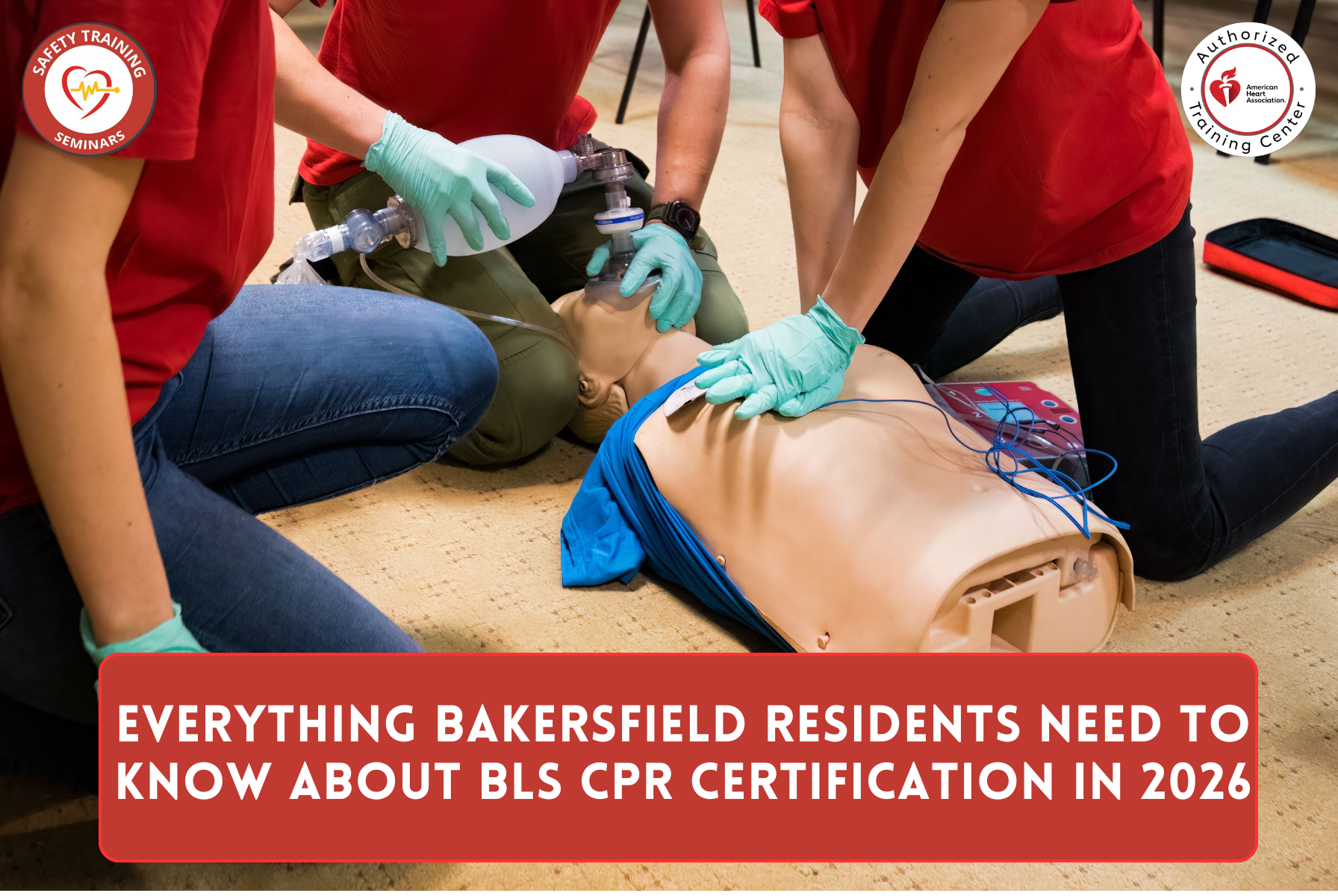
The BLS CPR Certification Course serves as the mandatory baseline credential for healthcare workers, emergency personnel, and students entering clinical programs. Unlike layperson CPR courses intended for daycare workers or construction crews, BLS training focuses on professional multi-rescuer resuscitation protocols.
Who Requires BLS Certification?
BLS certification is typically mandated for professionals providing direct or indirect patient care:
- Registered Nurses (RNs), Licensed Vocational Nurses (LVNs), and Certified Nursing Assistants (CNAs)
- Dental hygienists, general dentists, and oral surgery assistants
- Paramedics, Emergency Medical Technicians (EMTs), and firefighters
- Physical therapists, occupational therapists, and radiologic technologists
- Nursing students and allied health students fulfilling clinical prerequisites at Bakersfield College or California State University, Bakersfield
Core Skills Covered in BLS
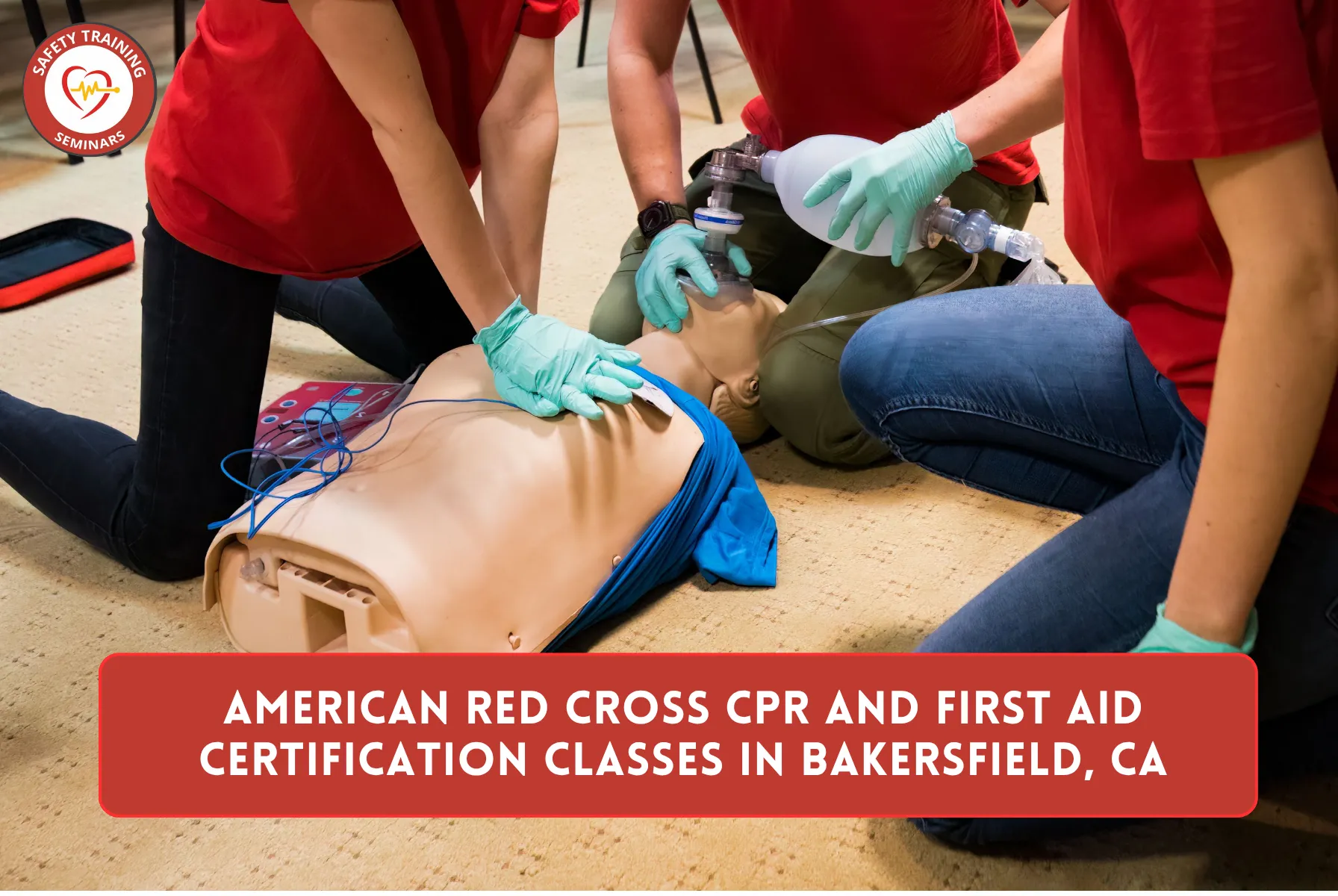
BLS coursework emphasizes high-quality chest compressions, proper bag-mask ventilation, and rapid defibrillation. Key elements include:
- Single-rescuer and team-based CPR scenarios for adults, children, and infants
- Operation of Automated External Defibrillators (AEDs) across all age groups
- Relief of foreign-body airway obstructions (choking) in conscious and unconscious victims
- Understanding the critical differences between adult and pediatric resuscitation dynamics
Advanced Cardiovascular Life Support (ACLS): Adult Emergency Management
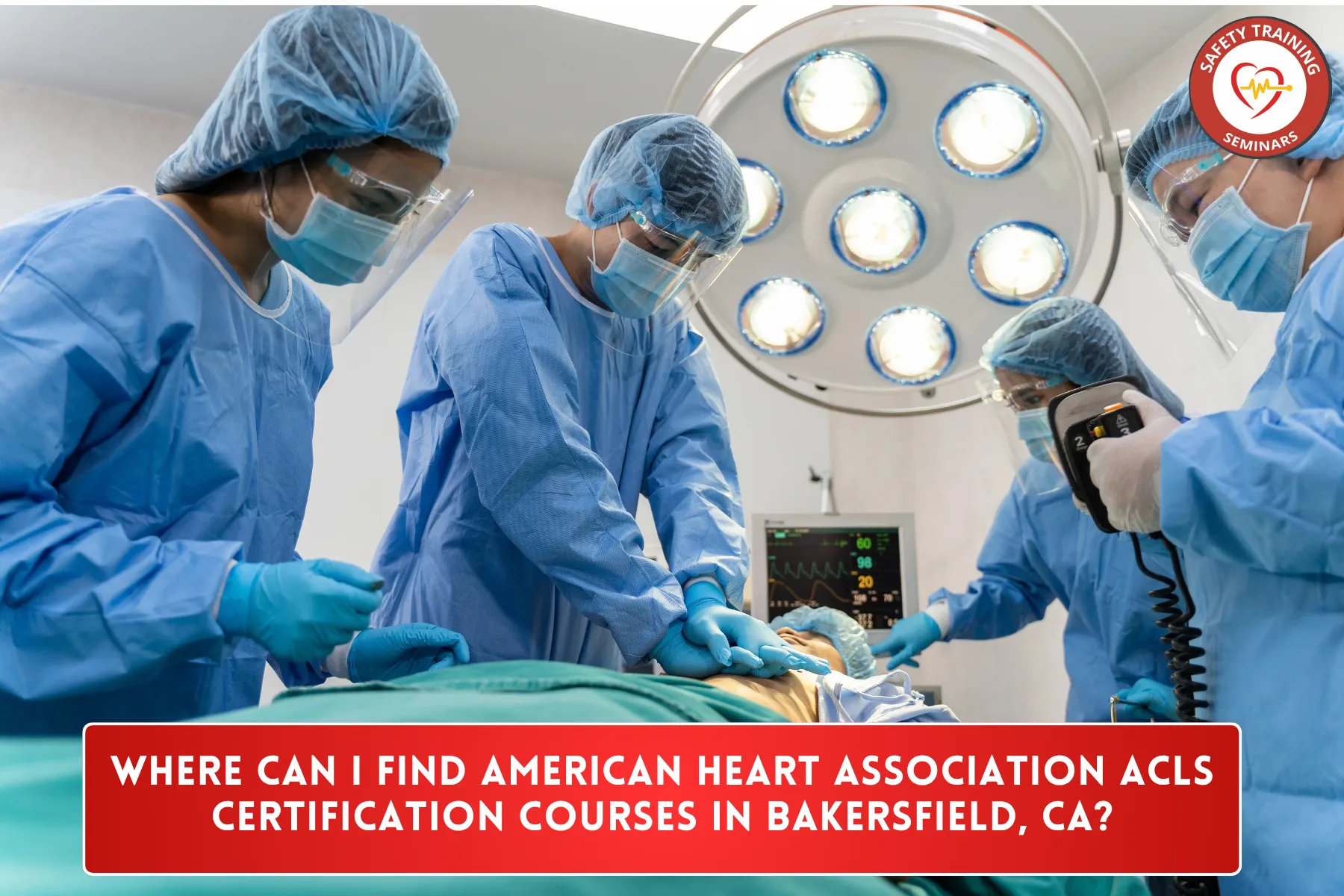
Advanced Cardiovascular Life Support goes beyond chest compressions and AED usage. ACLS trains healthcare providers to manage severe adult cardiovascular emergencies, acute coronary syndromes, and stroke protocols.
Who Needs ACLS?
ACLS is generally required for clinical personnel who directly participate in or lead resuscitation efforts for adult patients in high-acuity environments:
- Emergency room physicians, hospitalists, and cardiologists
- Critical care, ICU, telemetry, and emergency department nurses
- Respiratory therapists participating in hospital code teams
- Paramedics responding to advanced life support calls
- Post-anesthesia care unit (PACU) and surgical staff
Essential Components of ACLS Training
ACLS integrates basic life support skills with advanced medical interventions. Key topics include:
- Systematic recognition and management of cardiac arrest, peri-arrest conditions, and acute arrhythmias
- Electrocardiogram (ECG) rhythm recognition for bradycardias, tachycardias, and lethal rhythms
- Advanced airway management tools and endotracheal intubation support
- Resuscitative pharmacology, including epinephrine, amiodarone, adenosine, and atropine administration
- Effective communication and leadership principles as a resuscitation team leader
Pediatric Advanced Life Support (PALS): Specialized Care for Young Patients
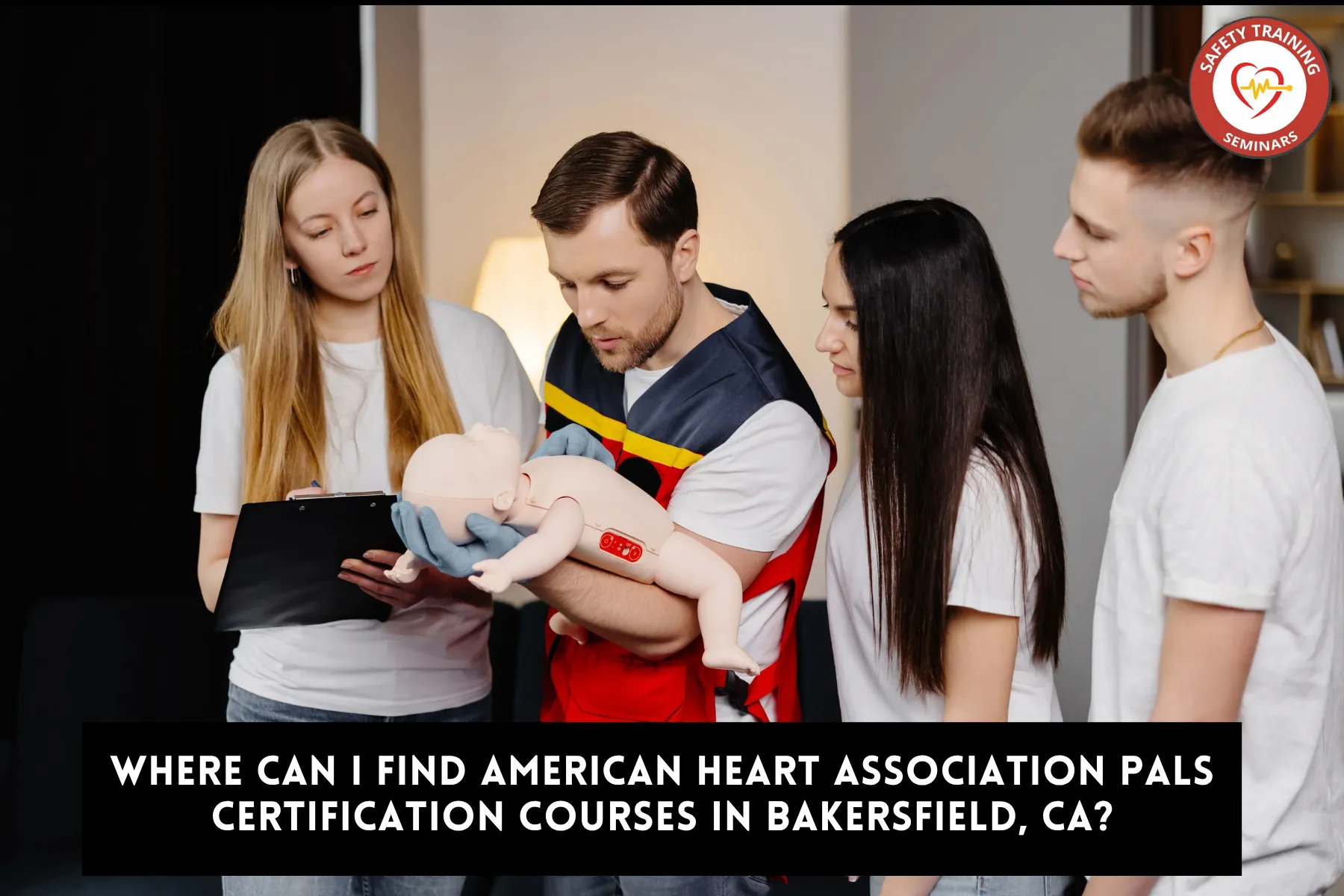
Infants and children rarely experience sudden cardiac arrest from primary heart disease; instead, pediatric emergencies typically stem from respiratory failure or shock. Pediatric Advanced Life Support provides a structured framework for assessing and treating critically ill or injured pediatric patients.
Target Audience for PALS
PALS certification is designed for clinicians who regularly care for pediatric and neonatal populations in emergency, critical, or urgent care settings:
- Pediatricians, pediatric emergency physicians, and family medicine providers
- Pediatric ICU (PICU), Neonatal ICU (NICU), and pediatric emergency department nurses
- Transport nurses and flight paramedics
- Urgent care providers serving family medicine practices
- Anesthesiologists managing pediatric surgical patients
Key Concepts in PALS Training
PALS training guides students through a systematic “Evaluate-Identify-Intervene” model tailored to infant and child physiology:
- Early identification and management of respiratory distress, respiratory failure, and airway obstruction
- Recognition and treatment of compensated and hypotensive shock (hypovolemic, distributive, cardiogenic)
- Assessment and treatment of pediatric cardiac arrhythmias, including supraventricular tachycardia (SVT)
- Management of pediatric cardiac arrest protocols
- Vascular access considerations, including intraosseous (IO) placement principles
Comparing Life Support Certifications
To help determine which course aligns with your current clinical responsibilities or upcoming educational program, review the breakdown below:
| Feature | BLS Certification | ACLS Certification | PALS Certification |
| Primary Focus | Core CPR, AED, airway clearance | Adult cardiac & vascular emergencies | Infant & child resuscitation, shock, respiratory failure |
| Patient Population | Adult, Child, Infant | Adult | Infant, Child |
| Prerequisites | None | Strong BLS skills, ECG reading, pharmacology knowledge | Strong BLS skills, pediatric pharmacology, rhythm recognition |
| Common Careers | All RNs, LVNs, EMTs, Dental Staff | ER/ICU Nurses, Paramedics, Physicians | Pediatric Nurses, PICU Staff, Pediatricians |
| Skills Taught | Compressions, bag-mask, AED | IV/IO med administration, airway, ECG analysis | Pediatric assessment, IO access, pediatric algorithms |
If your job description requires ACLS or PALS, you are almost universally required to hold a current BLS card as well. Many clinicians choose to renew their BLS alongside their advanced certifications during the same training cycle.
Navigating Certification Requirements in Kern County
Healthcare professionals throughout the Southern San Joaquin Valley face strict regulatory oversight from state licensing boards and regional health systems. Ensuring you hold the correct certification prevents delays in license renewal or facility credentialing.
Healthcare workers commuting from surrounding communities such as Shafter, McFarland, Wasco, or Taft often coordinate their training in central Kern County. Commuters travelling along Highway 99 or Highway 58 can plan single-session blended learning options to minimize travel time while maintaining compliance with employer standards.
Before booking a course, always verify your employer’s specific credential requirements. While BLS covers universal mechanics, specialized units—such as surgical centers or emergency departments—frequently require dual ACLS and PALS certification.
Local Training at Safety Training Seminars
For healthcare professionals, clinical staff, and students residing in central California, accessing official certification classes close to home simplifies card renewal and credentialing.
Safety Training Seminars provides local certification options at their dedicated center:
Safety Training Seminars Bakersfield CPR Training Center Address:
2116 24th Street, Suite 2, Bakersfield, CA 93301
Located near the heart of the city, this training center caters to local clinicians as well as providers traveling in from nearby communities like Ridgecrest and Tehachapi.
Whether you need to complete a baseline BLS CPR Certification Course or complete advanced credentials, enrolling at a dedicated local center ensures your hands-on skills practice meets all current national guidelines. Reviewing available schedules ahead of time allows you to align your training date with your license expiration window.
Frequently Asked Questions
Can I take an online-only BLS or ACLS course for my hospital job?
Most hospital systems, clinics, and licensing boards in California require a hands-on skills evaluation on a physical manikin. Purely online courses without an in-person skills practice session are rarely accepted by clinical employers. Blended options that pair online coursework with an in-person skills session are widely accepted.
How long are BLS, ACLS, and PALS certifications valid?
All three certifications—BLS, ACLS, and PALS—remain valid for two years from the last day of the month in which the course was completed. To avoid a lapse in your authorization to work, plan to complete your renewal course during the month prior to expiration.
What happens if my current certification has already expired?
If your card has expired, you generally cannot take a abbreviated renewal class and must complete the full course again. Check with your employer regarding grace periods, though most health systems require an active card at all times while on shift.
Should I take BLS and ACLS at the same time?
If both credentials are due for renewal, taking them together or scheduling them back-to-back can save time. Because ACLS builds directly upon BLS skills, reviewing basic CPR mechanics before stepping into advanced algorithmic resuscitation ensures a smoother learning process.
Choosing Your Next Step
Selecting between BLS, ACLS, and PALS comes down to your licensure level, employer protocols, and patient demographics. General nursing staff, dental professionals, and allied health students typically need BLS. Clinicians in critical care or emergency units caring for adults require ACLS, while those serving pediatric populations require PALS.
Reviewing your facility’s job description or consulting your department supervisor remains the safest way to confirm requirements. Once you know which credential you need, explore upcoming course schedules on the Bakersfield CPR courses location page to reserve your seat and maintain your professional compliance.