A Bakersfield nurse renewing a hospital credential, a student preparing for clinical placement, and a parent learning CPR may all search for “CPR certification,” but they may need different classes. In 2026, the safest way to choose is to begin with the exact requirement provided by your employer, school, licensing body, or volunteer organization.
Basic Life Support is generally intended for healthcare professionals and trained responders. CPR/AED or First Aid CPR AED training is usually designed for people outside clinical roles, including teachers, coaches, workplace teams, caregivers, and community members. A blended program may let you complete lessons online, but CPR courses that award a recognized completion card commonly still require hands-on skills practice.
Key Takeaway: Do not register based only on the words “CPR class.” Confirm the required course name, accepted completion card, hands-on component, and deadline before choosing a BLS CPR Certification Course in Bakersfield.
The 2026 Course Decision Starts With Your Role
BLS and general CPR courses share core skills, but they are built for different learners. The American Heart Association describes BLS as training for healthcare professionals and other personnel who need CPR and cardiovascular life-support skills in clinical or organized response settings. Current BLS options include instructor-led classroom training and HeartCode blended learning followed by a hands-on skills session.
A general CPR/AED or First Aid CPR AED class is more likely to fit someone with little or no medical training, including:
- Teachers and childcare employees
- Fitness professionals and coaches
- Workplace teams
- Parents, grandparents, and caregivers
- Volunteers and members of the public
Job titles alone do not settle the question. A dental assistant may need BLS, while a healthcare facility’s administrative employee may need a workplace CPR/AED course. Ask the organization requesting certification to provide the exact title in writing.
What a BLS CPR Certification Course Covers
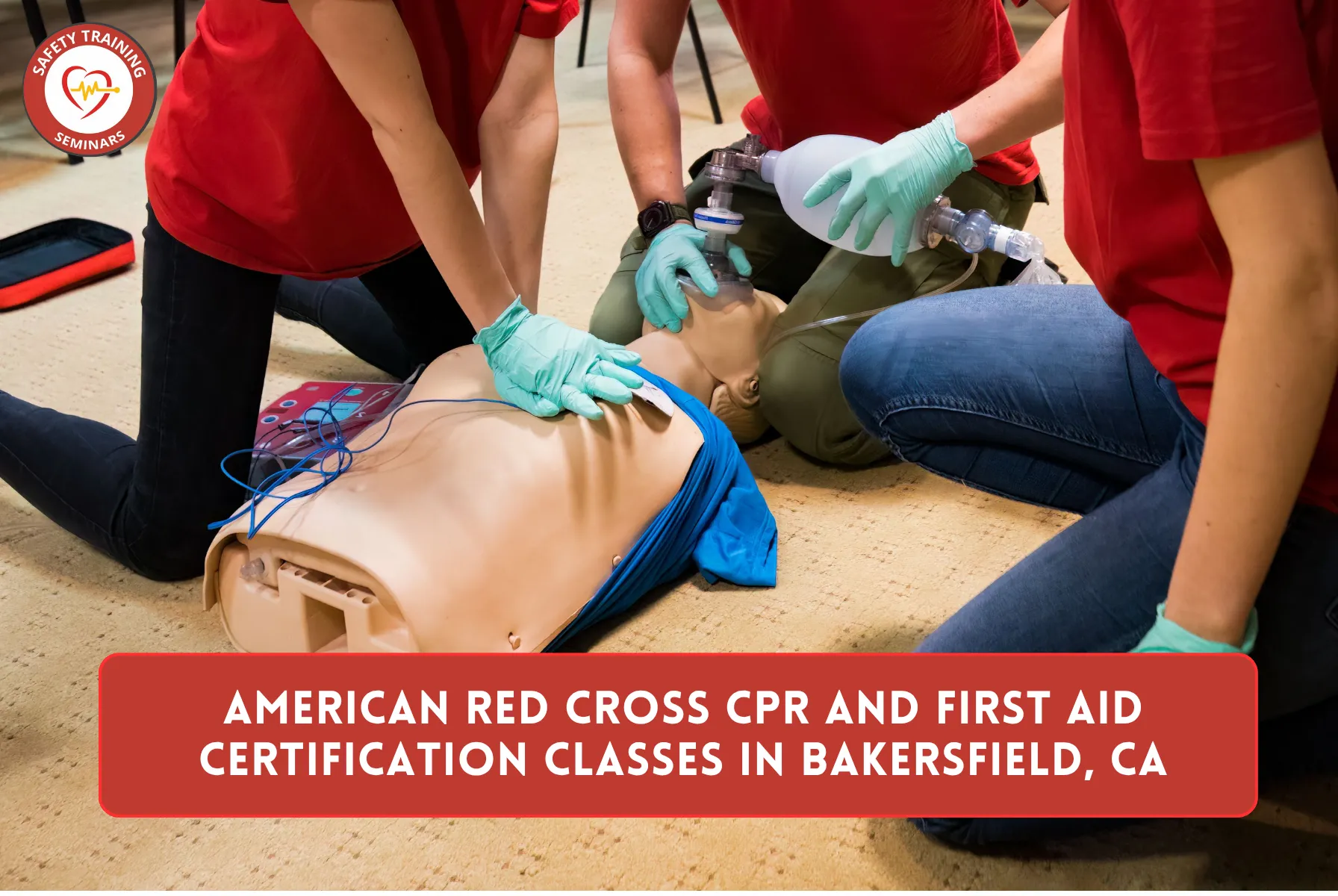
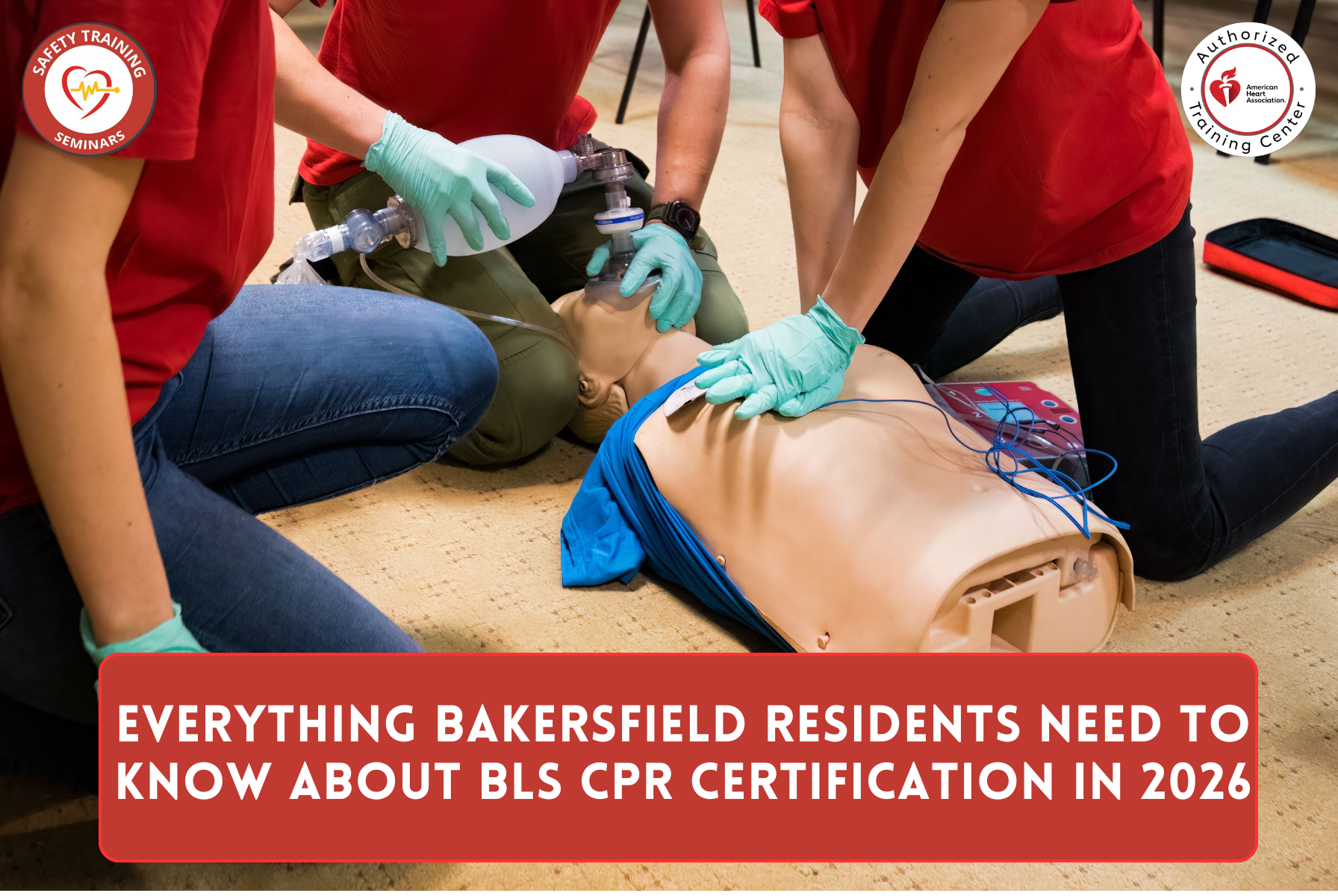
A BLS course focuses on recognizing life-threatening emergencies and providing high-quality basic cardiovascular care. Learners practice CPR, AED use, ventilation skills, and coordinated response. Team-based performance is especially relevant for people who may respond with coworkers in a clinic, hospital, dental office, ambulance, or other healthcare environment.
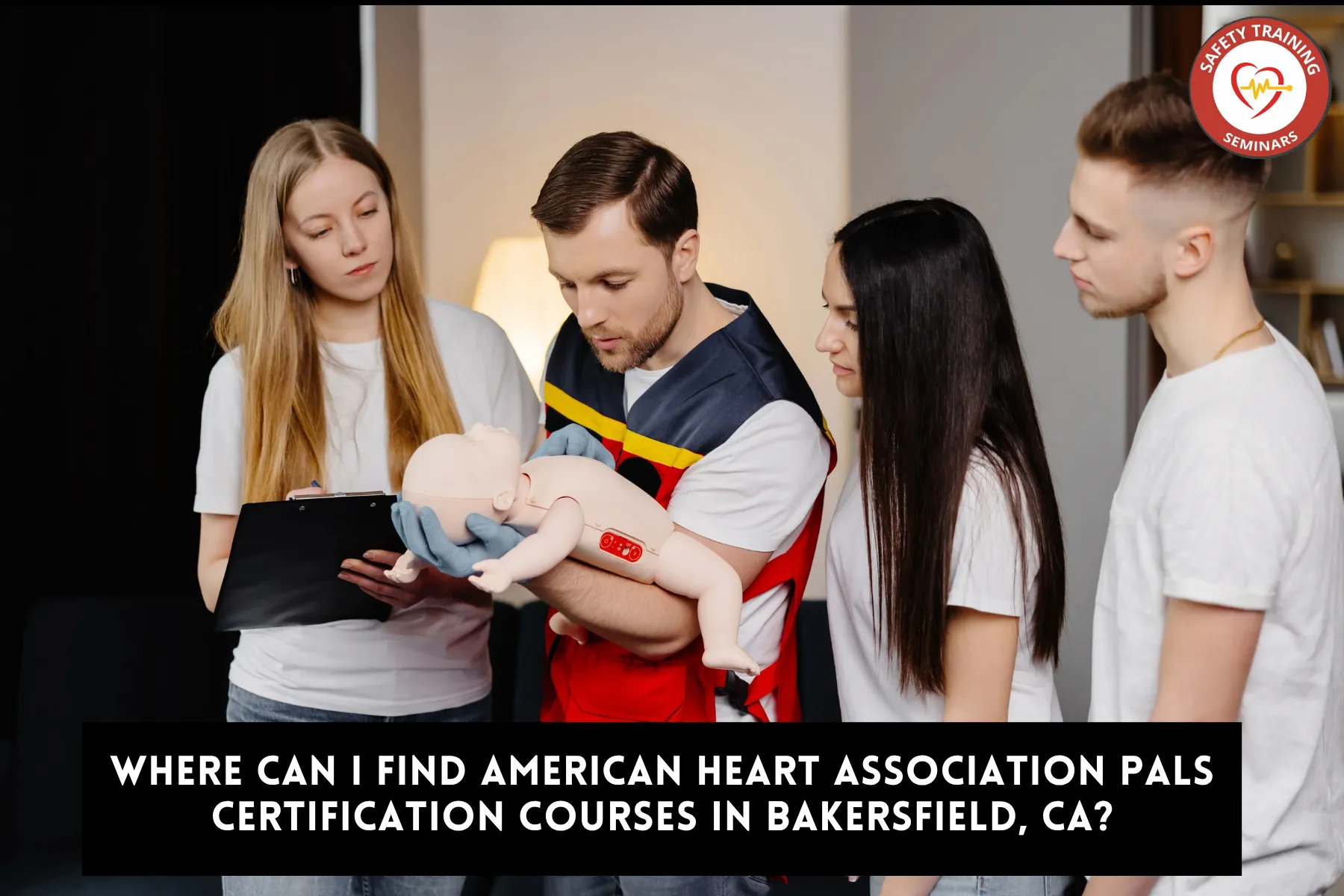
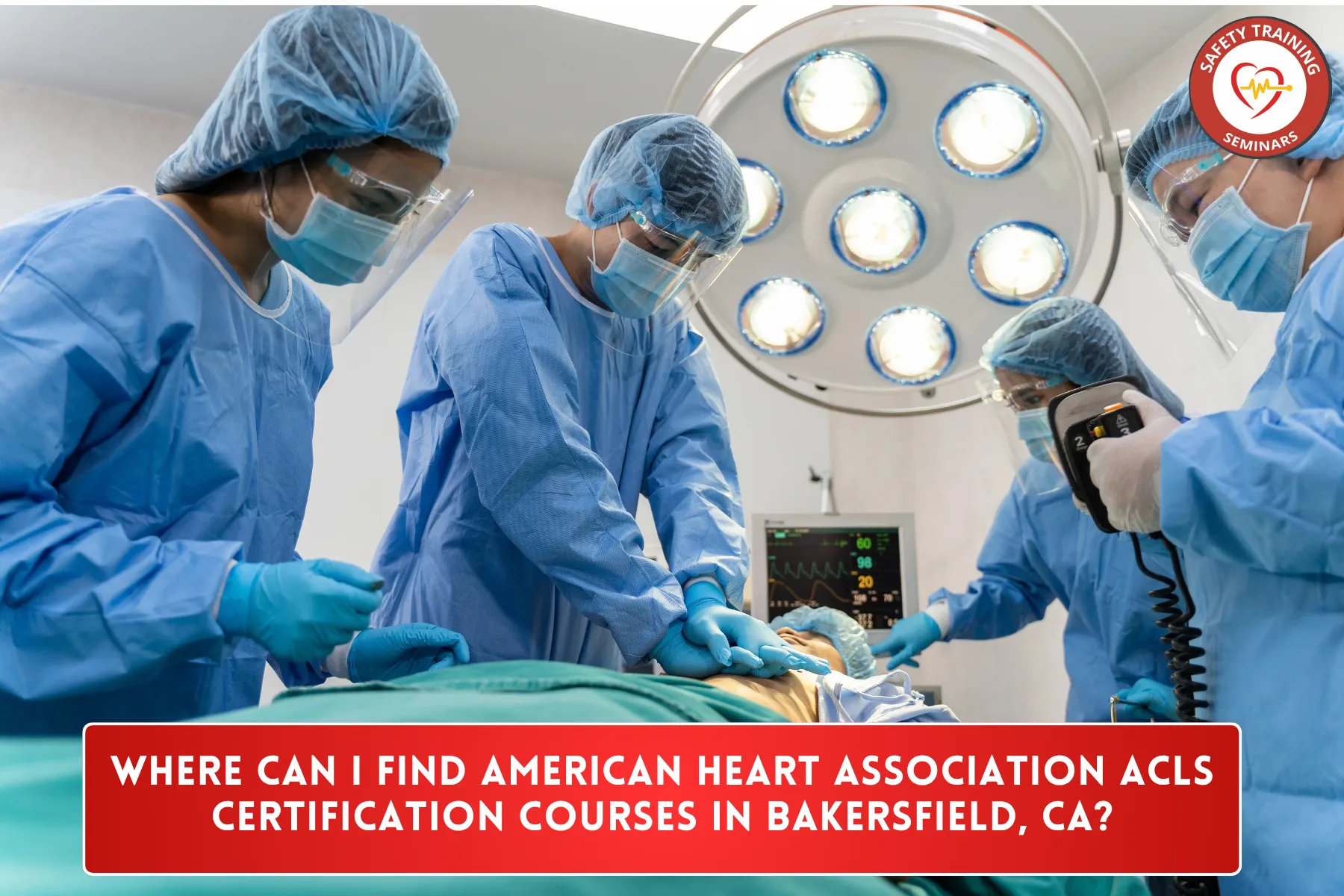
The class is not the same as ACLS or PALS. ACLS is advanced cardiovascular life-support training for appropriate healthcare professionals, while PALS addresses pediatric advanced life-support situations. NRP is a separate course category connected to neonatal resuscitation. The correct credential is the one required for the learner’s role.
Bakersfield residents can compare local CPR, BLS, ACLS, and PALS course options before registering.
Classroom, Blended, and Online Training Are Not Identical
Classroom training places the knowledge portion, demonstrations, practice, and skills assessment into an instructor-led setting. Blended learning separates the process: the learner completes online material first and then attends an in-person skills session.
The American Heart Association states that students in courses requiring CPR and other physical skills still complete in-person hands-on sessions and testing. Its current Heartsaver and BLS pages also show that blended options require skills completion before the course-completion card is issued.
Buying an online module is therefore not always the same as becoming certified. Check whether registration includes both stages, whether a separate skills appointment is necessary, and whether the final card meets your employer’s rules.
What Bakersfield Learners Should Verify Before Enrollment
A five-minute requirement check can prevent delays. Contact the employer, school, or licensing organization and confirm:
- Course name: BLS, CPR/AED, First Aid CPR AED, pediatric First Aid, ACLS, PALS, or NRP.
- Accepted organization: Ask which provider’s card is required.
- Training format: Determine whether classroom, blended, or another skills-testing format is accepted.
- Age groups: Confirm whether adult, child, and infant response must be included.
- Completion date: Make sure all required steps occur before the deadline.
- Renewal status: Check whether you need an initial course or renewal.
This is especially useful for healthcare students. A program may require an active BLS card before clinical participation, and a general CPR certificate may not substitute for it. Residents outside central Bakersfield can also review CPR and life-support training near Arvin when comparing regional options.
What to Expect During the Training Process
Most learners move through three stages: preparation, skills practice, and completion. For blended learning, finish the online portion before the scheduled hands-on session and bring proof of completion if requested.
Wear clothing that allows you to kneel and move comfortably. Bring a government-issued photo ID, registration confirmation, and the written requirement from your employer or school. During practice, focus on technique, complete response sequences, and instructor or equipment feedback.
After completing all required components, save the completion record. Current American Heart Association BLS and Heartsaver course-completion cards are generally valid for two years, although an employer or school may impose its own renewal or skills-review schedule.
Safety Training Seminars in Bakersfield
Safety Training Seminars offers CPR, First Aid, BLS, ACLS, PALS, and NRP course options at 2116 24th Street, Suite 2, Bakersfield, CA 93301. The Bakersfield course page identifies the center near downtown, Westchester, and Oleander, providing a local training option for healthcare workers, students, workplace teams, and community learners.
A Bakersfield location can help residents complete the required in-person portion without selecting a course solely because it is available online. The most important step remains matching the course to the requesting organization’s instructions.
Learners north of Bakersfield may compare CPR and BLS classes serving Delano, while people southwest of the city can review regional certification options for Maricopa residents.
Plan Renewal Before the Card Expires
A two-year completion card can make renewal seem distant, but healthcare schedules and school deadlines can turn it into a last-minute problem. Record the expiration date as soon as the card is issued and set a reminder well before it lapses.
Check whether your employer requires continuous active status. Keep a copy of the current card in a secure location and provide it through the organization’s requested system.
Current American Heart Association course information in 2026 references the 2025 CPR and Emergency Cardiovascular Care Guidelines, so learners should use the materials assigned to their present course rather than relying on notes from an older certification cycle.
Frequently Asked Questions
Who Needs BLS Certification in Bakersfield?
BLS is commonly required for nurses, physicians, dental professionals, EMTs, medical assistants, clinical students, and other trained responders. Requirements vary by employer and academic program, so obtain the exact course title and accepted completion card before registering. A general CPR/AED class may not satisfy a healthcare BLS requirement.
Is BLS the Same as CPR Certification?
No. CPR is a skill included in several training programs, while BLS is a healthcare-focused course that also addresses ventilation, AED use, emergency recognition, and coordinated response. Community members and nonclinical workers may need CPR/AED or First Aid CPR AED instead.
Can BLS Certification Be Completed Entirely Online in 2026?
Generally, an online knowledge module alone does not complete an American Heart Association BLS course. HeartCode BLS combines online learning with a required hands-on skills session. Confirm that both components are included and that the final card is accepted by your employer or school.
How Long Does a BLS Certification Card Remain Valid?
An American Heart Association BLS Provider Course Completion Card is valid for two years after all course requirements are completed. Employers, schools, and licensing organizations may have additional policies, so consider both the card’s expiration date and the requesting organization’s instructions.
What Should I Bring to a CPR or BLS Class?
Bring a photo ID, registration confirmation, required online-completion record, and any instructions from your employer or school. Wear comfortable clothing suitable for hands-on practice. The training provider may request additional materials, so read the appointment confirmation before attending.
Which Class Is Suitable for Parents or Childcare Providers?
Parents and caregivers often benefit from CPR/AED and First Aid training that includes infant and child emergencies. Childcare professionals may have specific licensing or employer requirements, including pediatric First Aid CPR AED. Confirm the required course and format before enrollment.
Make the Certification Match the Requirement
Bakersfield residents have several CPR and life-support course categories available in 2026, but the correct selection begins with the role, not the class date. Healthcare professionals and clinical students often need BLS, while teachers, childcare providers, fitness professionals, workplace employees, and families may need CPR/AED, First Aid, or pediatric training.
Confirm the exact credential, complete every required online and hands-on component, and plan renewal before the current card expires. Safety Training Seminars provides a Bakersfield training location where learners can review local course options and choose the class that aligns with their employer, school, or personal training objective.